







CHALLENGE: Monitoring AC Interference at a Resolution Conventional RMUs Cannot Provide
A major U.S. gas utility serving more than 1.5 million customers needed a better way to assess AC interference on transmission pipelines located in dense utility corridors alongside high-voltage powerlines. Its network includes pipe diameters ranging from 8 to 36 inches, with assets dating back to the 1950s and a wide mix of coating systems, including coal tar, wax tape, and fusion-bonded epoxy.
This diversity complicated AC risk assessment. Standard 1 cm² coupons are designed to simulate small coating defects, but on older pipelines, coating holidays can exceed 100 cm². In those conditions, cathodic protection current spreads across a larger exposed area, making current density measurements from small coupons less representative of actual field conditions.
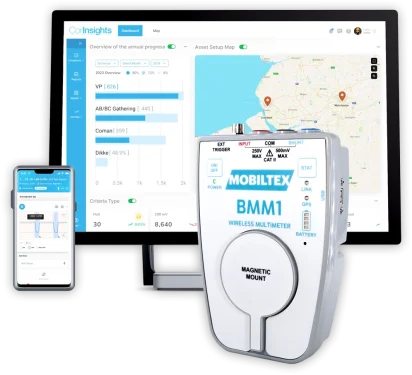
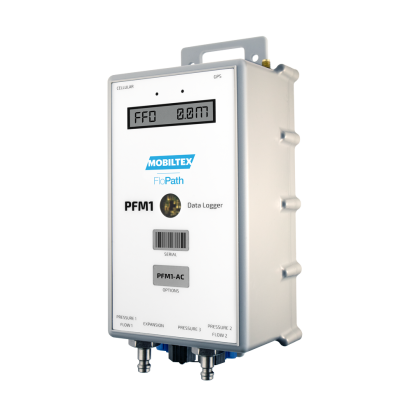
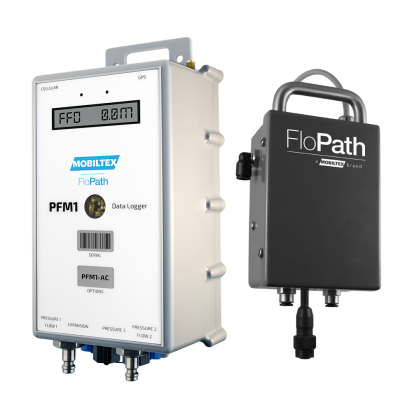
The utility’s corrosion engineers also found that remote monitoring units (RMUs) collecting data every six hours could not capture the diurnal fluctuations in induced AC voltage that influence both corrosion risk and worker safety. AC levels could vary significantly between readings, obscuring the true exposure profile and making mitigation decisions difficult.


